

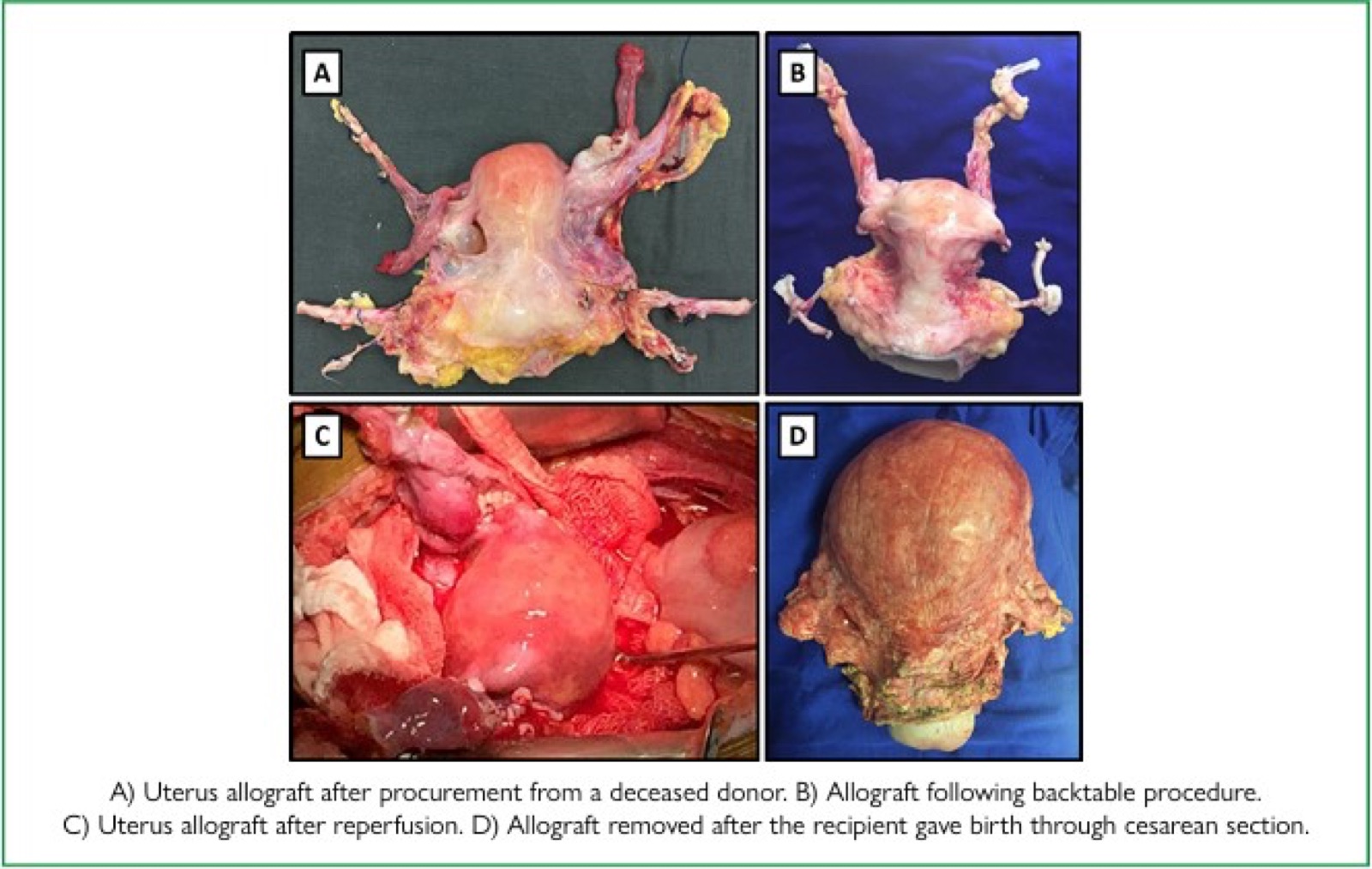
Uterus transplantation was a transformative innovation in reproductive medicine and organ transplantation in general, and an alternative for the treatment of infertility. The problem of infertility affects 8–12% of the population of reproductive age, causing an enormous social impact. Uterus transplantation, a relatively new treatment, has emerged as an excellent option for couples with absolute uterine infertility. The first uterus transplant performed was in 2000, in Saudi Arabia. At this same time, a Swedish researcher began several experimental works with uterine transplantation in different animal models. Only more than a decade after the first attempt in humans was a second case performed, in Turkey, in 2011. The first transplant in the Americas was performed in the United States of America, in 2016, with a deceased donor. In the same year, in Brazil, the group from Hospital das Clínicas, Faculty of Medicine, University of São Paulo, performed the first uterus transplant in Latin America, also with a deceased donor. This Brazilian case resulted in the world’s first birth from a deceased donor uterus transplant in December 2017, making Brazil and Hospital das Clínicas in a vanguard position in the world transplant scenario. Even so, we have today more than 100 transplants performed on the planet, with the birth of more than 70 children.
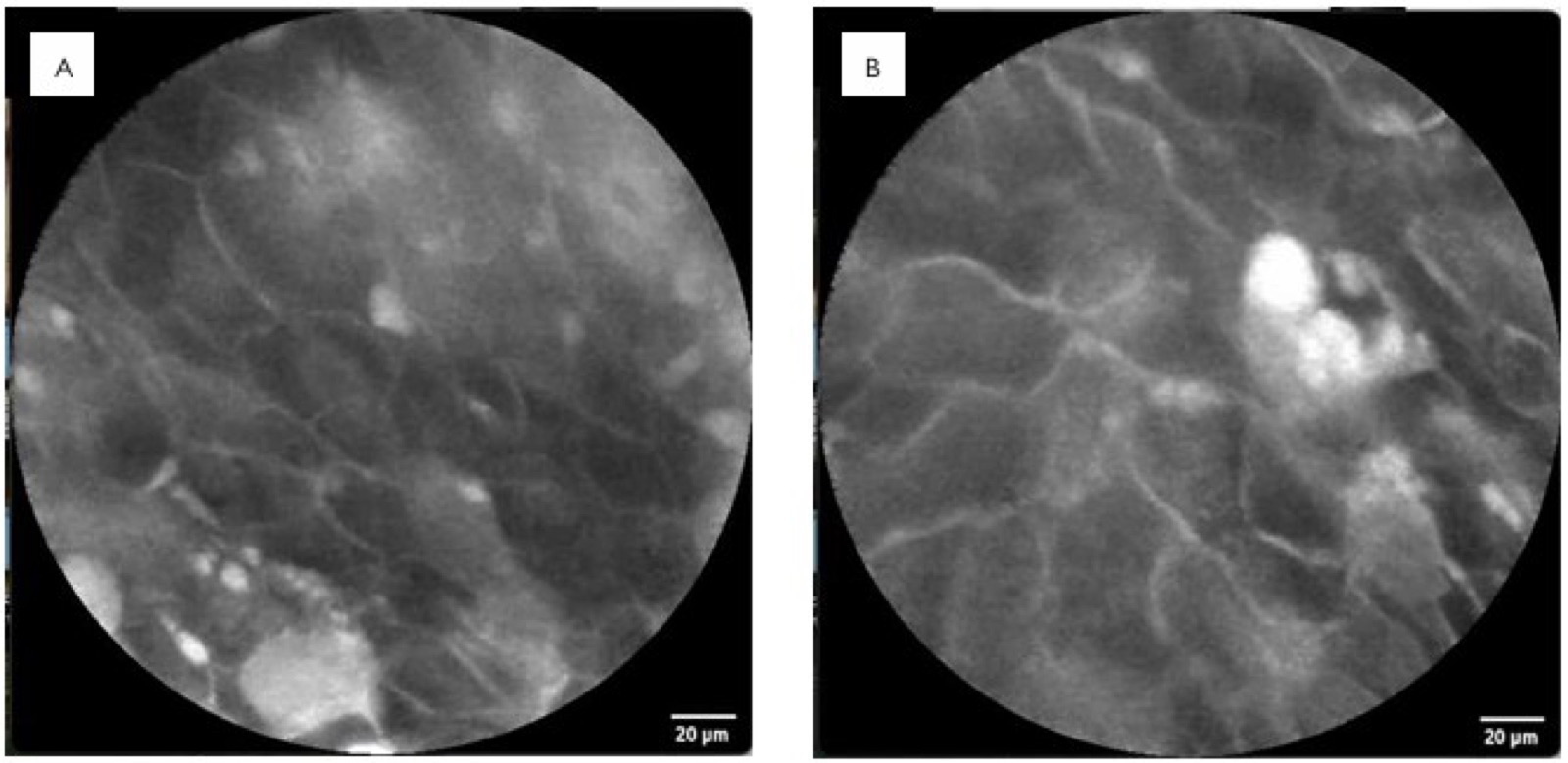
Uterus transplantation is a relatively new procedure, with successful births performed using living donors in Sweden since 2014 and a deceased donor, for the first time in Brazil, in 2016. Probe-based confocal endomicroscopy is considered an optical biopsy method (with 1000 times magnification), allowing detailed visualization of tissue cytoarchitecture and microvascular patterns at a penetration depth of approximately 50 to 60 μm. The application of confocal endomicroscopy to the uterine cervix emerges as a promising alternative to weekly cervical examinations in the follow-up of patients who have undergone uterus transplantation. The authors report the case of a 34-year-old woman with Mayer-Rokitansky-Küster-Hauser (MRKH) syndrome, diagnosed at 15 years of age, who in August 2026 underwent the first successful live-donor uterus transplantation performed in Latin America. The surgical procedure was uneventful. The confocal endomicroscopy of the uterine cervix was employed to evaluate its potential utility in identifying inflammatory changes that might precede graft rejection. No irregular or distorted epithelium or severe inflammation was observed, and this finding was confirmed by biopsies and histological analysis. They concluded that the probe-based confocal endomicroscopy may support more effective and individualized post-transplant management, representing a meaningful advancement in the fields of regenerative medicine and transplantation.




Developed by Surya MKT