

Gastric cancer is an aggressive neoplasm with a poor prognosis. The multimodal approach with perioperative chemotherapy is currently the recommended treatment for patients with locally advanced gastric cancer. This treatment induces a histopathological response expressed either through the degree of regression of the primary tumor or of the lymph nodes or through yTNM staging. Despite its advantages, there are still doubts regarding the effects of chemotherapy on postoperative morbidity and mortality.
This study aims to evaluate the impact of perioperative chemotherapy and its effect on anatomopathological results and postoperative morbidity and on patient survival.
This is an observational retrospective study on 134 patients with advanced gastric cancer who underwent perioperative chemotherapy and curative radical surgery. The degree of histological regression of the primary tumor was evaluated according to Becker’s criteria; the proportion of regressed lymph nodes was determined, and postoperative complications were evaluated according to the Clavien-Dindo classification. Survival times were compared between the groups using Kaplan-Meier curves and the Mantel-Cox log-rank test.
In all, 22.3% of the patients were classified as good responders and 75.9% as poor responders. This variable was not correlated with operative morbidity (p=1.68); 64.2% of patients had invaded lymph nodes and 46.3% had regressed lymph nodes; and 49.4% had no lymphatic invasion and 61.9% had no signs of venous invasion. Postoperative complications occurred in 30.6% of the patients. The group of good responders had an average survival of 56.0 months and the group of poor responders had 34.0 months (p=0.17).
Perioperative chemotherapy induces regression in both the primary tumor and lymph nodes. The results of the operative morbidity were similar to those described in the literature. However, although the group of good responders showed better survival, this value was not significant. Therefore, further studies are needed to evaluate the importance of the degree of lymph node regression and its impact on the survival of these patients.
Complete surgical resection is the main determining factor in the survival of advanced gastric cancer patients, but is not indicated in metastatic disease. The peritoneum is a common site of metastasis and preoperative imaging techniques still fail to detect it.
The aim of this study was to evaluate the role of staging laparoscopy in the staging of advanced gastric cancer patients in a Western tertiary cancer center.
A total of 130 patients with gastric adenocarcinoma who underwent staging laparoscopy from 2009 to 2020 were evaluated from a prospective database. Clinicopathological characteristics were analyzed to identify factors associated with the presence of peritoneal metastasis and were also evaluated the accuracy and strength of agreement between computed tomography and staging laparoscopy in detecting peritoneal metastasis and the change in treatment strategy after the procedure.
The peritoneal metastasis was identified in 66 (50.76%) patients. The sensitivity, specificity, and accuracy of computed tomography in detecting peritoneal metastasis were 51.5, 87.5, and 69.2%, respectively. According to the Kappa coefficient, the concordance between staging laparoscopy and computed tomography was 38.8%. In multivariate analysis, ascites (p=0.001) and suspected peritoneal metastasis on computed tomography (p=0.007) were statistically correlated with peritoneal metastasis. In 40 (30.8%) patients, staging and treatment plans changed after staging laparoscopy (32 patients avoided unnecessary laparotomy, and 8 patients, who were previously considered stage IVb by computed tomography, were referred to surgical treatment).
The staging laparoscopy demonstrated an important role in the diagnosis of peritoneal metastasis, even with current advances in imaging techniques.
The surgical approach for esophagogastric junction cancers (EJC), Siewert II, has been controversial regarding margin control, reconstruction, and lymphadenectomy extension. Therefore, predicting the need for total/subtotal esophagectomy and proximal gastrectomy (TEPG) or total gastrectomy with distal esophagectomy (TGDE) can be challenging, with each direction usually excluding the other. Historically, complication rates for TEPG are higher, affecting further systemic treatment and long-term outcomes.
The aim of this study was to describe a surgical strategy for approaching tumors such as Siewert II EGJ, with the intraoperative decision to perform total gastrectomy with lymphadenectomy D2 or esophagectomy with lymphadenectomy based on intraoperative frozen sections.
All patients underwent laparotomy, beginning with greater curvature detachment while preserving the right gastroepiploic, right and left gastric arteries; dissection of the esophageal hiatus for node harvesting; and transection of the distal esophagus and its frozen section. TGDE was preferred if the proximal margin of the distal esophagus was negative; TEPG and gastric tube reconstruction were performed through transhiatal access if the margin was positive.
Among 38 Siewert II patients, 26 (69%) underwent TGDE and 12 (31%) underwent TEPG, regardless of the trend toward higher complication rates, positive margins, and shorter overall survival in the TEPG group, no statistically significant differences were detected.
Although no significant differences in morbidity between the two procedures were noted, type II errors could be a possible cause. This study suggests that unnecessary esophagectomies can be avoided without jeopardizing surgical or oncologic outcomes by opting for a less morbid procedure.
Gastric cancer is the fifth most common cancer in the world and the fourth leading cause of deaths in oncology.
The aim of this study was to investigate the factors that affect the survival of patients with gastric adenocarcinoma undergoing gastrectomy in a tertiary center in South Brazil.
This was a cross-sectional, observational, and retrospective study of 82 patients with gastric adenocarcinoma who underwent surgical treatment from January 2018 to August 2022. Epidemiological and prognostic factors were analyzed, such as age, sex, tumor location in the stomach, lymph node invasion, tumor extension, angiolymphatic invasion, tumor differentiation, presence of distant metastasis, compromised surgical margins, adjuvant or neoadjuvant chemotherapy, and patient survival time.
Of the 82 patients, 41.5% died during the follow-up period, with a maximum follow-up period of 56 months. The median time to death was 22.4 months after performing the gastrectomy. Advanced age (hazard ratio [HR]=2.76; p=0.014, p<0.05), location of the tumor in the fundus of the stomach (HR=2.77; p=0.020, p>0.05), and presence of distant metastasis (HR=2.13; p=0.039) showed a significant negative impact on survival in the multivariate analysis. On the other hand, patients undergoing adjuvant (HR=5.33; p=0.001, p<0.05) or neoadjuvant (HR=3.36; p=0.006, p<0.05) chemotherapy had a positive impact.
The present study demonstrated that survival in patients with gastric adenocarcinoma is negatively influenced by advanced age, tumor location in the fundus of the stomach, and the presence of distant metastases, in contrast to the positive impact of performing adjuvant or neoadjuvant chemotherapy.
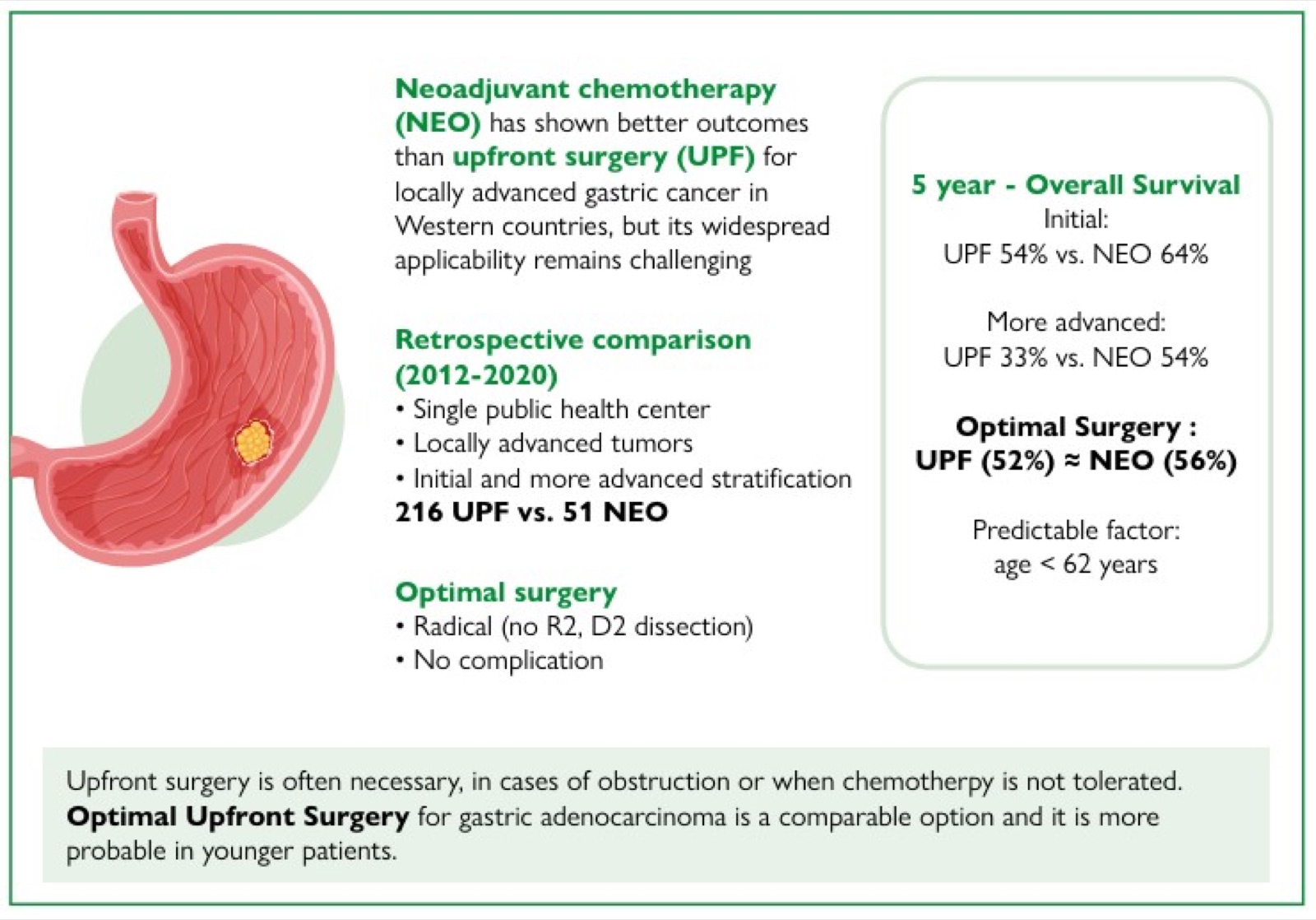
Complete neoadjuvant treatment for gastric cancer is not always tolerated due to nutritional and clinical reasons, such as gastric outlet obstruction. In this context, upfront surgery becomes an alternative.
The aim of the study was to compare upfront resection with neoadjuvant systemic therapy followed by surgery and identify factors influencing their outcomes.
Retrospective study of 410 patients with locally advanced gastric adenocarcinoma followed between 2012 and 2020, comparing upfront surgery and perioperative treatment. Patients with early tumor (cT1N0), metastasis, and stump cancer were excluded. The comparison was stratified by stage without the influence of systemic treatment (primary stage). Resections with D2 dissection, no residual tumor (no R2), and no complications were considered optimal surgery.
Upfront resection was performed in 216 patients (85% of upfront surgeries). Gastrectomy after neoadjuvant treatment was performed in 47 cases (76% of indications), and another four were resected among 39 previous unsuccessful surgeries (10%). In total, there were 51 resections after chemotherapy. Independent factors associated with overall survival at 60 months were: preoperative chemotherapy (57.3% vs. 40.7%, p=0.029); complication rate; D2 lymphadenectomy; and primary stage. Initial cases showed a better outcome in the neoadjuvant group without statistical significance (p=0.447), but it was present in more advanced tumors (p=0.027). Optimal surgery was achieved in 68.6% of the neoadjuvant group and 51.9% of the upfront group (p=0.030) and resulted in similar overall survival (56.6% vs. 52.4%, p=0.904).
Optimal upfront surgery followed by adjuvant therapy, particularly with D2 dissection, is effective and was not statistically inferior to neoadjuvant treatment.
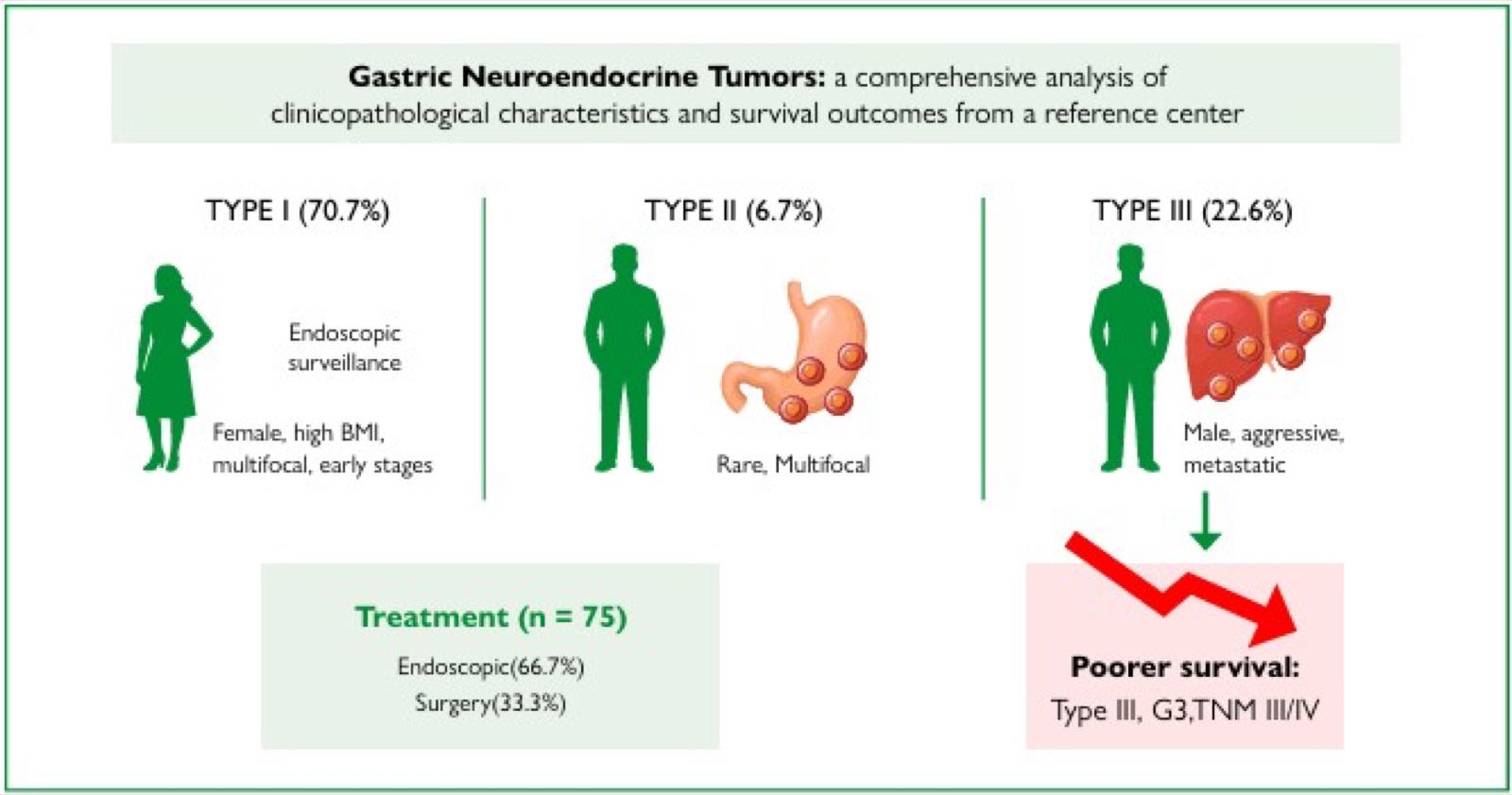
Gastric neuroendocrine tumors (gNETs) are uncommon neoplasms arising from enterochromaffin-like cells, representing a distinct subset of gastric malignancies, with challenging clinical management.
To analyse the classification, treatment indication, and survival of patients diagnosed with gNETs.
We retrospectively analyzed patients diagnosed with gNETs between 2009 and 2025 at a high-volume tertiary center in Brazil. Clinical, pathological, and treatment data were reviewed, and tumors were classified according to World Health Organization and clinicopathological criteria into Types I, II, and III.
Of the 75 patients included, 53 (70.7%) were classified as Type I, 5 (6.7%) as Type II, and 17 (22.6%) as Type III. Treatment included surgery in 25 patients (33.3%) and endoscopic resection in 50 (66.7%). Type I tumors predominated in females (p<0.001), were frequently multifocal (p<0.001), associated with higher body mass index (p=0.002), and were mainly managed endoscopically (p=0.008). Type II tumors were rare and associated with multiple endocrine neoplasia Type 1, while Type III tumors were predominantly male, larger, high-grade (G3), and frequently metastatic, requiring surgical resection and palliative therapy. Among the 25 surgically treated patients, most were men (52%) and included 12 patients (48.0%) with Type I, 3 (12.0%) with Type II, and 10 (40.0%) with Type III tumors. Survival analysis showed significantly worse outcomes for Type III and G3 tumors. Multivariable analysis identified advanced age (hazards ratio 4.11; 95% confidence interval (95%CI): 1.14–14.80; p=0.030) and tumor, lymph node, metastasis (TNM) stage III/IV (HR 5.42; 95%CI: 1.26–23.26; p=0.023) as independent predictors of poorer survival.
gNETs exhibit heterogeneous clinical behavior, with Type I tumors predominating in the Brazilian population. Tumor type, grade, and TNM stage are critical determinants of prognosis and should guide individualized treatment strategies.
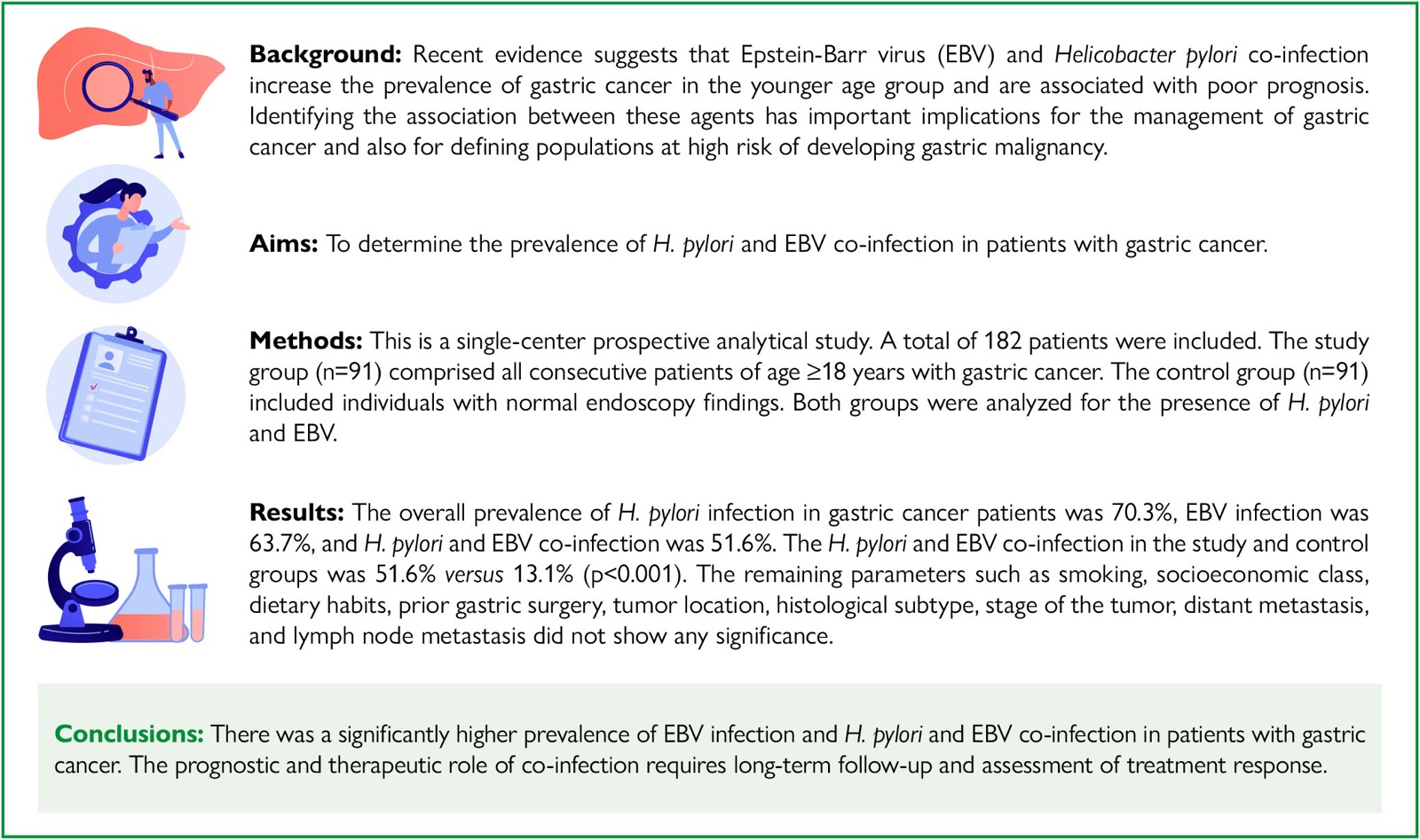
Recent evidence suggests that Epstein-Barr virus (EBV) and Helicobacter pylori co-infection increase the prevalence of gastric cancer in the younger age group and are associated with poor prognosis. Identifying the association between these agents has important implications for the management of gastric cancer and also for defining populations at high risk of developing gastric malignancy.
To determine the prevalence of H. pylori and EBV co-infection in patients with gastric cancer.
This is a single-center prospective analytical study. A total of 182 patients were included. The study group (n=91) comprised all consecutive patients of age ≥18 years with gastric cancer. The control group (n=91) included individuals with normal endoscopy findings. Both groups were analyzed for the presence of H. pylori and EBV.
The overall prevalence of H. pylori infection in gastric cancer patients was 70.3%, EBV infection was 63.7%, and H. pylori and EBV co-infection was 51.6%. The H. pylori and EBV co-infection in the study and control groups was 51.6% versus 13.1% (p<0.001). The remaining parameters such as smoking, socioeconomic class, dietary habits, prior gastric surgery, tumor location, histological subtype, stage of the tumor, distant metastasis, and lymph node metastasis did not show any significance.
There was a significantly higher prevalence of EBV infection and H. pylori and EBV co-infection in patients with gastric cancer. The prognostic and therapeutic role of co-infection requires long-term follow-up and assessment of treatment response.
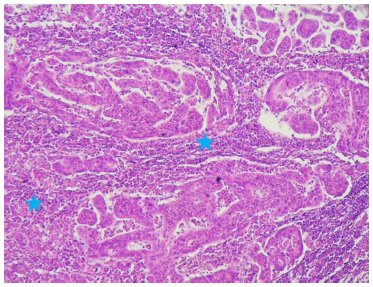
The prognostic value of tumor-infiltrating lymphocytes has been studied in several cancers, but in gastric cancer, their evaluation by standard hematoxylin-eosin staining remains controversial.
To analyze the prognostic value of tumor-infiltrating lymphocytes in gastric cancer and to investigate the association between tumor-infiltrating lymphocyte levels and a range of clinical and pathological factors in gastric cancer.
Forty-four patients were included with a mean age of 62 years, and 77% of the patients were classified as having pathological tumor stage 3 or pathological tumor stage 4. Lymph node metastases were noted in 66% of our patients. At diagnosis, 57% of patients were at an advanced stage (III). Patients with distant metastases were not included in this study. Evaluation of tumor-infiltrating lymphocytes in hematoxylin-eosin staining found that the mean tumor-infiltrating lymphocyte rate was 43 (extremes: 5-90%). 36% of patients had a tumor-infiltrating lymphocyte rate >50%. The overall survival of our patients was 40 months. Patients with tumor-infiltrating lymphocytes >50% had greater survival, without a significant correlation (p=0.275). A tumor-infiltrating lymphocyte rate =50% was correlated with age >50 years (p=0.030), presence of lymph node involvement (p=0.023), and advanced tumor stage (III+IV) (p=0.05). In a multivariate analysis, the presence of lymph node involvement (p=0.045) and advanced tumor stage (III+IV) (p=0.015) were identified as independent factors associated with a low tumor-infiltrating lymphocyte rate =50%.
Poor prognostic factors for gastric cancer (age >50 years, presence of lymph node involvement, and advanced tumor stage) were associated with a low tumor-infiltrating lymphocyte rate assessed by hematoxylin-eosin staining. However, standardization of tumor-infiltrating lymphocyte assessment is essential to allow comparability between studies and integrate this parameter into routine practice.
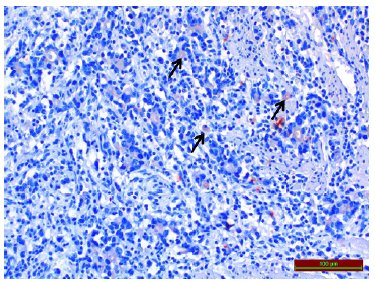
Isthmin-1, a recently discovered adipokine, was first characterized for its role in early brain development. Subsequent studies have demonstrated that isthmin-1 is involved in a broad range of biological processes, including metabolism, immunity, tumorigenesis, cellular proliferation, endothelial permeability, and organ development.
This study aimed to evaluate isthmin-1 immunoreactivity in tumor tissues obtained from gastric cancer patients using immunohistochemistry and to assess its usefulness in the diagnosis and histological evaluation of gastric cancer.
The patients were divided into three groups: adenocarcinoma, intestinal metaplasia, and healthy controls. Endoscopic biopsies, obtained according to the Sydney protocol, were examined for the control group and patients diagnosed with intestinal metaplasia. In contrast, surgical resection tissues were used for patients diagnosed with gastric adenocarcinoma.
All materials were examined histopathologically. No significant difference in isthmin-1 levels was detected between the control and intestinal metaplasia groups, based on immunohistochemical staining. However, when gastric adenocarcinoma cases were compared with the control and intestinal metaplasia groups, a significant decrease in isthmin-1 immunoreactivity was observed in adenocarcinoma cases. Patients with adenocarcinoma were grouped as well-differentiated, moderately differentiated, and poorly differentiated, and then staged according to the TNM staging system. Histopathological examination revealed no significant differences in the degree of differentiation or TNM stage.
We believe that isthmin-1 can be used as a biomarker in the diagnosis of malignant gastric diseases in the future. However, more comprehensive and extensive scientific studies are needed to determine its usefulness in tumor staging or prognosis monitoring.
The COVID-19 pandemic has overloaded healthcare systems worldwide. Other diseases, such as neoplasms, including gastric cancer, remained prevalent and had their treatment compromised.
The aim of this study was to evaluate the impact of the COVID-19 pandemic on the treatment of gastric cancer and adherence to the recommended preoperative COVID-19 screening protocol.
A retrospective study evaluated patients diagnosed with gastric adenocarcinoma who underwent surgical treatment between 2015 and 2023.
A total of 769 patients with gastric cancer were evaluated and organized into two groups: (i) pre-COVID group and (ii) COVID group. The pre-COVID group consisted of 527 patients operated on between 2015 and 2019, and the COVID group consisted of 242 patients from 2020 to 2023. The average number of surgical procedures per year in the pre-COVID group was 105 and 81 in the COVID group. There was a statistically significant difference between ASA classification (p=0.002) and clinical staging (p=0.015), which were worse in the COVID group. We observed an increase in diagnostic surgeries (p=0.026), with an increase in the minimally invasive route (p<0.001). In patients undergoing curative surgery, there was a greater indication for postoperative ICU (p=0.022) and neoadjuvant chemotherapy (p<0.001). There was no difference in 30- and 90-day mortality.
The surgical and oncological outcomes for patients operated on during the pandemic remained uncompromised, even though many presented with more advanced initial stages and poorer clinical performance. High adherence to protocols and a low rate of complications related to coronavirus indicate that surgeries were performed safely during this period.




Developed by Surya MKT